Cytoskeletal control of immune cell function
A central focus of our research is to understand how cytoskeletal remodelling drives immune cell communication and activation. We investigate how actin and microtubule networks are coordinated, combining super-resolution imaging, protein interaction studies, and cryo-electron tomography to identify new factors involved in this process and understand how they work at a molecular level.
Regulation of intracellular transport in immune cells
One role of the cytoskeleton is to generate "tracks" which motor proteins use to carefully position components within cells. We work to understand how this transport process is co-ordinated in immune cells, investigating the role of known factors and identifying novel components which are required for specialised processes. To do this, we integrate information from quantitative proteomics, structural data and biochemical analysis as well as cellular assays.
Developing methods for in situ structural cell biology
Throughout our projects we develop methods which expand the structural cell biology toolbox. These include sample preparation workflows, novel probes for multimodal or multiplexed imaging and computational data analysis methods. We often collaborate with others to problem solve and find solutions that drive our projects forward.
Approaches we use
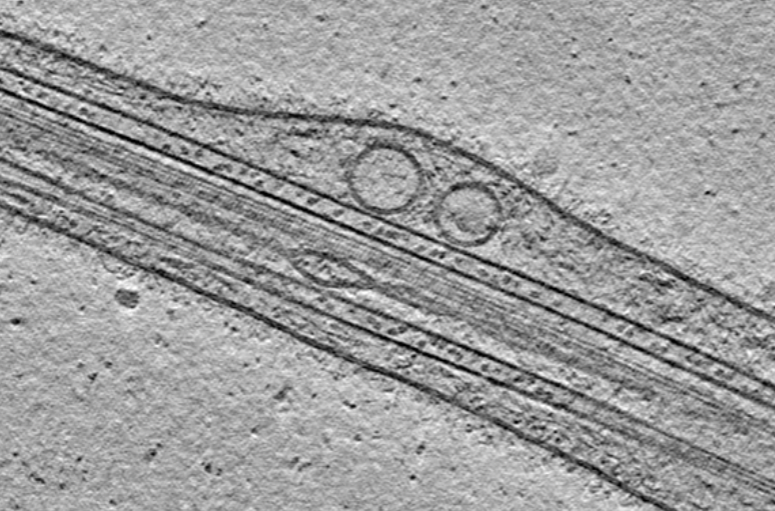
Cryo-Electron Tomography
Cryo-ET allows us to directly visualise biomolecules inside cells. By providing information about the structure and organisation of molecular machines in their native environment, we can understand changes at the nanoscale drive cellular function.
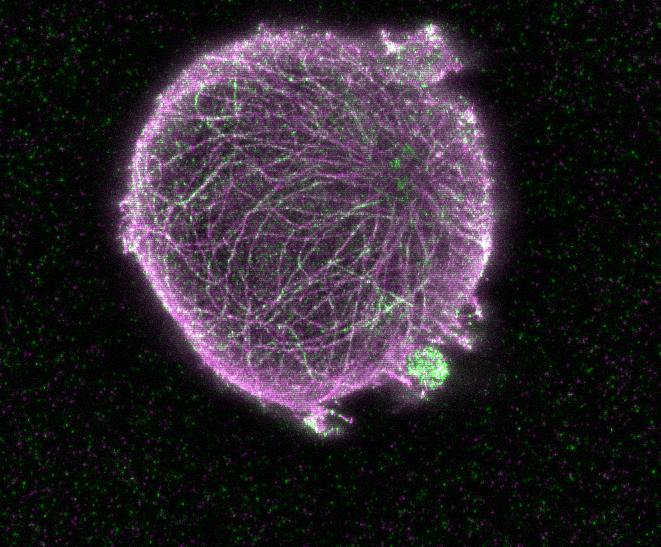
Super Resolution Microscopy
We use super-resolution microscopy to provide precise information about the distribution of selected proteins inside cells. By implementing highly multiplexed imaging, we can map out how cytoskeletal components interact in different parts of the cell or under different conditions.
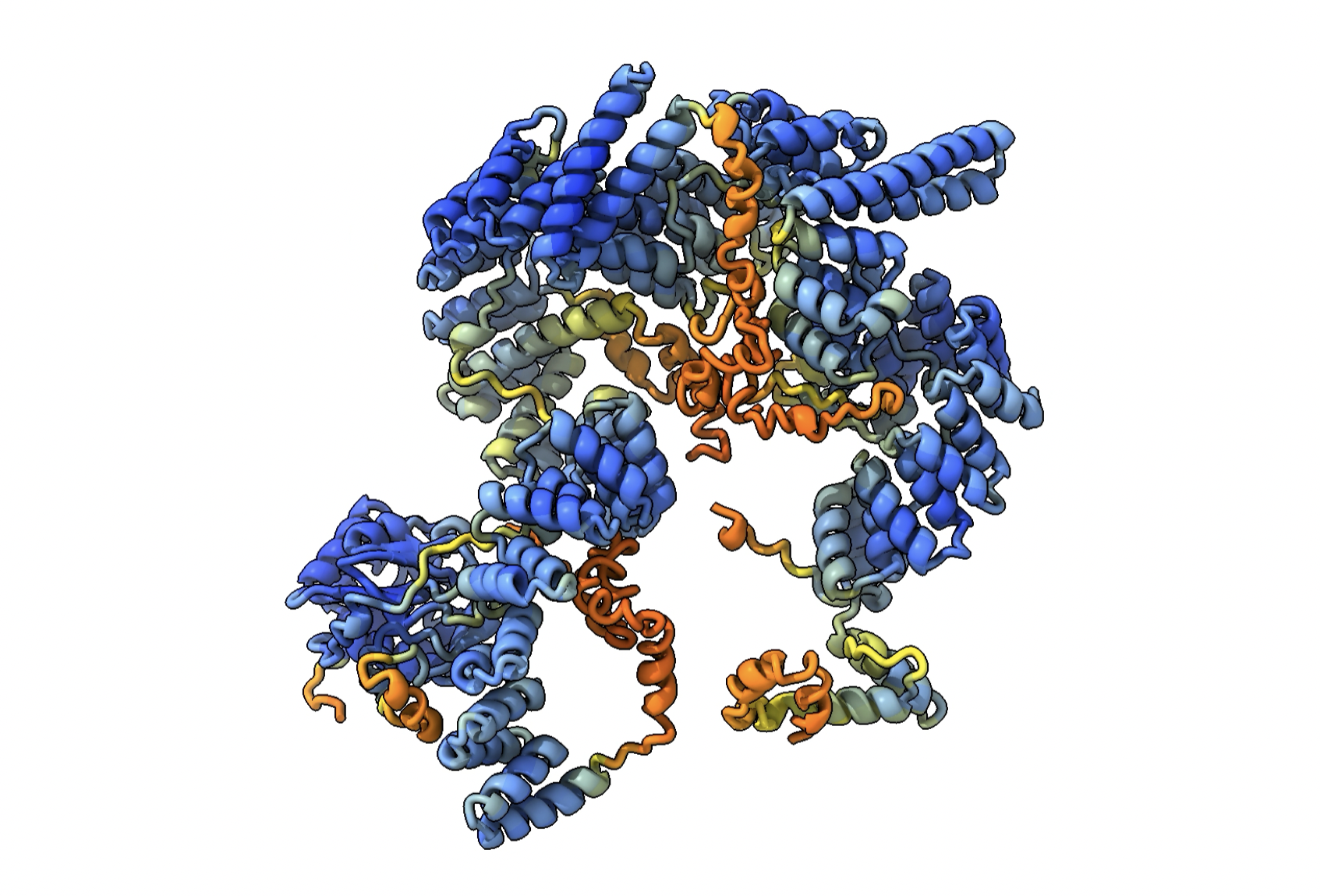
Integrative Structural Biology
By combining information from electron microscopy, protein structure prediction, mass spectrometry and biochemical analysis, we can provide insight into the structural transitions which are required for regulation and function of cytoskeletal complexes.